
Oak Pollen Spike and Spring Reverse-Sneeze Episodes in San Antonio Dogs
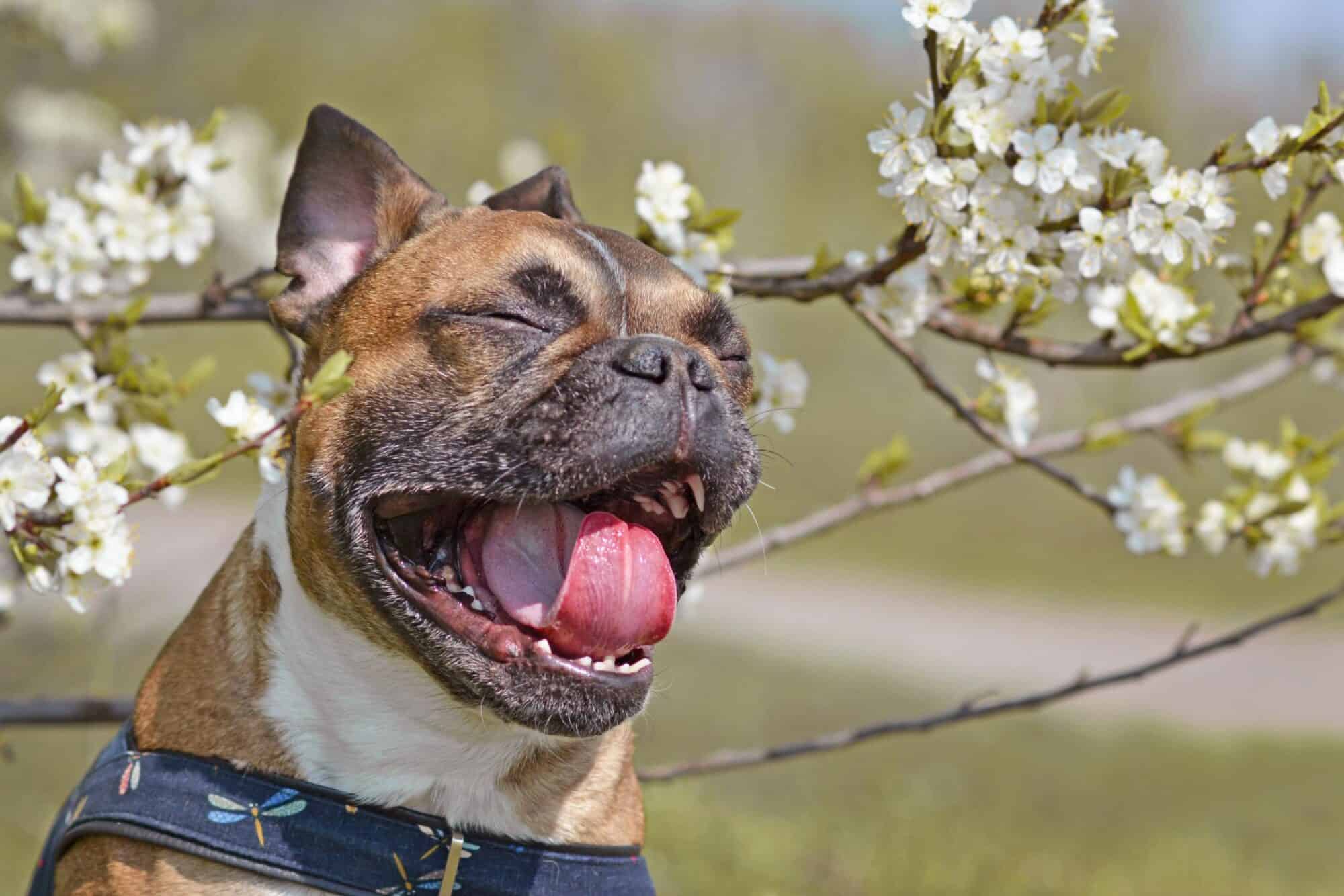
If you live in San Antonio, you already know spring doesn’t quietly drift in. It bursts onto the scene with yellow dust coating cars, patios, and, unfortunately, your dog’s airways. When oak pollen hits its seasonal peak, many dogs begin experiencing reverse sneezing, a harmless but dramatic-looking reflex that can worry even the most seasoned pet parent. At Borgfeld Animal Hospital, we see a predictable increase in spring respiratory irritation each year, especially when oak pollen in Texas reaches its peak.
What Is Reverse Sneezing?
Reverse sneezing is a sudden, rapid inhalation through the nose that often sounds like a snort, honk, or rhythmic snuffling fit. It happens when something irritates the nasal passages or soft palate. Although the noise is alarming, most dogs recover in seconds and go right back to whatever they were doing—usually with no awareness that anything unusual occurred.
Episodes can be triggered by excitement, strong smells, temperature changes, or seasonal allergens in San Antonio during springtime.
Why Spring Makes Reverse Sneezing Worse
San Antonio’s oak pollen season is legendary for its intensity. Those tiny airborne grains can irritate your dog’s throat and nasal passages, making reverse sneezing more likely. During heavy pollen spikes, you may see:
- Reverse-sneeze episodes
- Snorting or gag-like motions
- Throat clearing
- Occasional coughing
Even brief outdoor potty breaks can increase exposure when pollen levels are high. The irritation isn’t dangerous in most cases, but it certainly can be uncomfortable for your dog and startling for you.
Understanding this seasonal pattern helps explain why reverse sneezing tends to flare at the same time every year.
Dogs Most Likely To Be Affected
All dogs can react to spring respiratory irritation, but brachycephalic breeds, those charming, short-nosed faces, are particularly prone to it. Their narrower airways make them more sensitive to pollen, temperature shifts, and even minor irritation.
Breeds that commonly experience brachycephalic flare-ups include:
- French Bulldogs
- Pugs
- Boston Terriers
- Boxers
- Shih Tzus
However, long-nosed dogs aren’t immune. Any dog with environmental allergies or a history of sensitive airways may be more reactive during the oak pollen season.
How To Help Your Dog During Oak Pollen Season
You can’t stop oak trees from doing what oak trees do, but you can make spring a little easier on your dog. Helpful strategies include:
- Wiping your dog’s face and muzzle after outdoor time
- Limiting time outside on extreme pollen days
- Running an air purifier indoors
- Cleaning bedding more often during spring
- Talking with your San Antonio vet about allergy support
These steps help minimize exposure and can reduce irritation. If reverse-sneeze episodes suddenly become more frequent, longer, or more intense, it’s worth scheduling an exam for peace of mind.
When Reverse Sneezing Requires Veterinary Care
While reverse sneezing is usually harmless, certain symptoms may indicate something more than seasonal allergies. Contact your veterinarian if your dog shows:
- Persistent coughing
- Trouble breathing between episodes
- Thick or discolored nasal discharge
- Reduced appetite or low energy
Springtime irritation and allergies are common in San Antonio, but more serious respiratory conditions can mimic these symptoms. A prompt evaluation allows us to rule out infections, nasal mites, or other causes.
Helping Your Dog Breathe Easier This Spring
Oak pollen and reverse sneezing may be a familiar spring duo in San Antonio, but with a bit of awareness, you can help your dog stay comfortable through the season. Most episodes are harmless, but you’re never wrong to ask for guidance.
If your dog is dealing with springtime reverse sneezing or other respiratory irritation, call Borgfeld Animal Hospital at (830) 313-5290 to schedule a wellness visit. Our team is here to support you and your pet with compassionate, comprehensive care.