
Why Ear Hematomas Happen, and How They’re Treated in Dogs
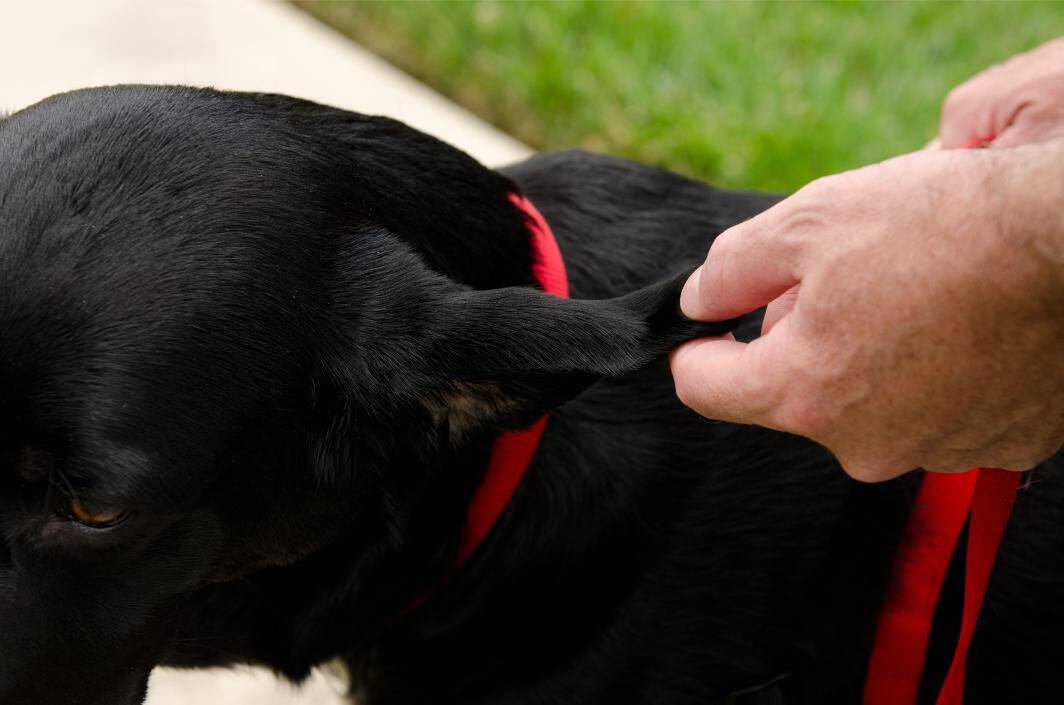
If your dog’s ear suddenly looks swollen, puffy, or feels like a small water balloon, you may be dealing with an ear hematoma. At Borgfeld Animal Hospital in San Antonio, TX, we frequently help families understand why ear hematomas happen, how they’re treated in dogs, and what steps can prevent them from returning.
While the swelling can look alarming, prompt veterinary care can relieve discomfort and protect your dog’s long-term ear health.
What Is an Ear Hematoma?
An ear hematoma, also called an aural hematoma, occurs when blood collects between the layers of tissue in the ear flap (pinna). This typically occurs after blood vessels rupture from repeated head shaking or scratching.
The result is a soft, swollen ear flap that may:
- Feel warm to the touch
- Appear thickened or distorted
- Cause your dog to hold one ear differently
- Be sensitive or painful when handled
Without treatment, the swelling can harden and scar as it heals, leading to a permanently wrinkled or “cauliflower” ear appearance.
Why Ear Hematomas Happen in Dogs
Understanding why ear hematomas happen in dogs often starts with identifying what triggered the head shaking or scratching in the first place. In most cases, an underlying ear or skin condition is to blame.
Common causes include:
- Ear infections
- Allergies, including food or environmental triggers
- Ear mites
- Foreign material, such as grass awns
- Trauma from rough play or injury
Dogs in the San Antonio area may be especially prone to allergies, which can lead to chronic ear inflammation. When ears are itchy or painful, repeated head shaking can rupture delicate blood vessels inside the ear flap.
Addressing the root cause is essential. Simply treating the swelling without addressing the underlying issue can lead to recurrence.
How Ear Hematomas Are Treated in Dogs
When it comes to how they’re treated, every dog ear hematoma case requires a tailored approach. The right treatment depends on the size of the hematoma, your dog’s comfort level, and the presence of infection or allergy.
Treatment options may include:
- Draining the hematoma with a needle and syringe
- Placing a drain to allow continued fluid removal
- Surgical correction to remove accumulated blood and prevent reaccumulation
- Medications to reduce inflammation and treat infection
Aural hematoma surgery is often recommended for larger or recurrent hematomas because it helps preserve the ear’s normal shape and reduces the risk of scarring. During surgery, the ear is carefully sutured to eliminate space where fluid can collect.
In addition to treating the hematoma itself, vet ear treatment involves diagnosing and managing the underlying cause. This may involve ear cytology, allergy management plans, prescription medications, or long-term preventive care.
Recovery typically includes wearing an Elizabethan collar, keeping the ear clean and dry, and returning for follow-up visits to monitor healing.
Why Prompt Care Matters
It can be tempting to wait and see if the swelling goes down on its own. However, untreated ear hematomas are painful, and can lead to complications.
Early treatment helps:
- Relieve discomfort
- Reduce scarring and ear deformity
- Shorten recovery time
- Prevent repeated episodes
More importantly, identifying and managing underlying ear disease supports your dog’s overall wellness.
Protecting Your Dog’s Ear Health
Routine wellness and preventive care visits play a major role in preventing ear hematomas. During exams, veterinarians can spot early signs of infection, inflammation, or allergy before severe head shaking begins.
At Borgfeld Animal Hospital, our team takes a thorough, evidence-based approach to diagnosing ear issues and identifying the root cause of discomfort.
If you notice dog ear swelling, head shaking, or signs of irritation, don’t wait. Schedule an appointment today by calling (830) 313-5290. We look forward to helping your dog stay healthy, comfortable, and active year-round.