
Cane Toad Poisoning Risk Expanding in South Texas
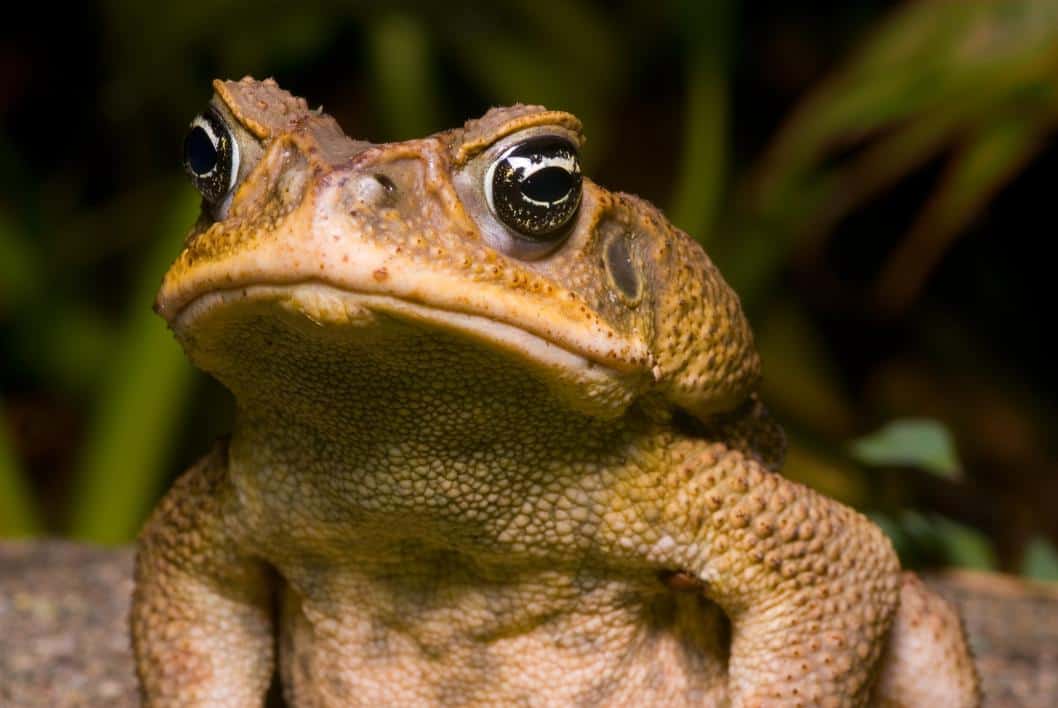
It’s not something most pet parents expect to worry about—but in parts of Texas, a toxic threat is quietly hopping into more neighborhoods. Cane toads, an invasive species, are becoming an increasing concern for local pets, and cases of cane toad poisoning in dogs in Texas are on the rise.
For families with dogs in and around San Antonio, awareness is key. Knowing what to look for—and how to respond—can make all the difference.
What Makes Cane Toads Dangerous?
Cane toads secrete a potent toxin called bufotoxin from glands behind their eyes. When a curious dog mouths or licks one of these toads, the toxin can be absorbed quickly through the gums.
This type of exposure is considered a bufotoxin emergency in dogs, and symptoms can appear within minutes.
As concerns grow about toxic toads and San Antonio pets, pet parents need to recognize the risk, especially during warmer, wetter months when toads are more active.
Symptoms to Watch For
Recognizing dog licking toad symptoms in Texas is critical, as early action can save a life. Signs of poisoning may include:
- Excessive drooling or foaming at the mouth
- Pawing at the mouth or signs of irritation
- Bright red gums
- Vomiting
- Disorientation or stumbling
- Seizures
Where and When Risks Are Highest
Cane toads are most active at night and are often found near water sources, damp areas, and outdoor lights that attract insects. This makes evening and early morning the highest risk times for exposure.
What to Do If Your Dog Encounters a Toad
If you suspect your dog has licked or mouthed a toad, act immediately. Rinse your dog’s mouth out with a steady stream of water, directing the flow from the back of the mouth forward to avoid aspiration.
After rinsing, seek veterinary care immediately. South Texas amphibian poisoning involves a fast-acting toxin, and quick intervention is critical.
Prevention Tips for Pet Parents
Awareness is your first line of defense against cane toad poisoning in dogs in Texas.
To help protect your dog:
- Supervise outdoor time, especially at night.
- Remove standing water and reduce damp hiding spots.
- Turn off outdoor lights when possible to reduce insect activity.
- Keep yards clean and trimmed.
- Train dogs to avoid wildlife when possible.
Stay Alert, Stay Prepared
While the idea of toxic toads and San Antonio pets may sound unusual, the risk is real—and growing. The good news is that with vigilance, quick action, and the right information, pet parents can significantly diminish the danger.
If your dog shows signs of a bufotoxin emergency, or you suspect contact with a cane toad, contact Borgfeld Animal Hospital at (830) 313-5290 immediately or head to the nearest emergency veterinary clinic. When it comes to South Texas amphibian poisoning, a fast response isn’t just helpful—it’s critical.