
The Pattern Behind Dogs That “Have a Sensitive Stomach” Their Whole Life
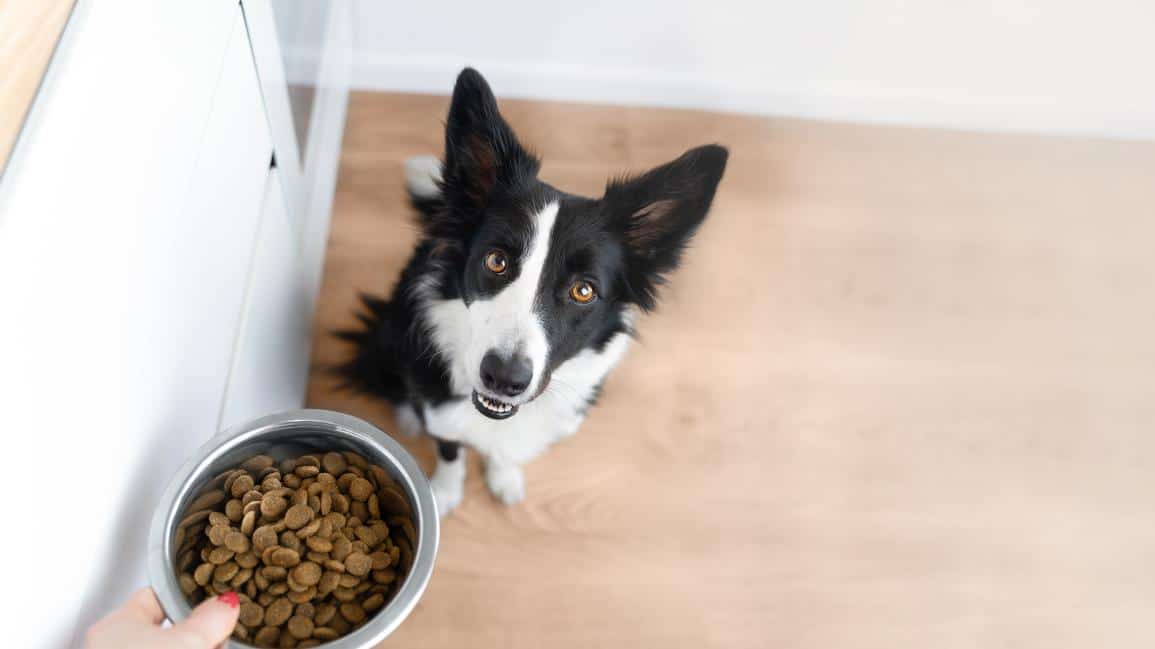
Has your dog always struggled with bouts of vomiting and diarrhea? Long-term, recurring vomiting in dogs can be exhausting for both you and your pup. Yet, there may be something you can do to help your pet.
The team at Borgfeld Animal Hospital can help you determine whether your dog has food intolerance vs a GI disease, and what’s causing your dog’s chronic sensitive stomach.
What Are the Causes of Chronic Sensitive Stomach Issues in Dogs?
There are several potential causes of consistent tummy issues in dogs, and they can range from mild to serious. Intermittent vomiting or diarrhea can point to dietary sensitivities, parasites, infections, or inflammatory conditions.
One of the biggest distinctions we need to make here is that there’s a difference between food intolerance vs. a GI disease dogs might be dealing with.
Food tolerance usually involves a reaction to a specific ingredient. It can cause:
- Intermittent vomiting
- Diarrhea and loose stools
- Lots of extra gas and/or bloating
- No real changes in your dog’s energy and appetite
Chronic GI disease—or parasitic infections, such as heartworms—can show up with symptoms that are more severe, such as:
- Vomiting or diarrhea that seems to happen every day
- Noticeable weight loss
- Persistent coughing
- A bloated look that doesn’t go away
- A drop in appetite levels
Keep an eye out for any patterns. If your dog’s symptoms keep coming back or don’t ever seem to fully go away, it’s time to see a veterinarian. The sooner treatment can begin, the better.
Chronic GI Issues in Dogs: How to Get a Diagnosis
Getting to the root of your furry friend’s GI issues necessitates a careful, step-by-step approach. There isn’t one, single test that’ll give you all the answers you need. Your veterinary team will usually start with a full physical exam, fecal testing for parasites, and bloodwork to evaluate your pet’s organ function.
An ultrasound may be necessary, non-invasive tool to help evaluate the gastrointestinal tract and the organs that surround it. With ultrasound, your veterinarian can spot:
- A thickening of the intestinal walls, as seen with inflammatory conditions
- Any masses or tumors that could be causing the symptoms
- Swollen lymph nodes
- Fluid buildup in your pet’s abdomen
This type of imaging gives your veterinary team a more thorough picture of what’s going on inside your dog’s body, and the results can guide the next steps in the diagnostic process.
If none of the results from these initial tests show a clear reason for your pup’s GI distress, your veterinarian might recommend an elimination diet for dogs when needed.
This involves feeding your dog a specific diet with limited ingredients for several weeks to see whether symptoms improve. An elimination diet can be instrumental in figuring out if your dog has a food intolerance, and what that intolerance is.
If your pet’s symptoms keep happening even with a thoroughly tested elimination diet, or if imaging points to a deeper issue, your veterinary team may need to perform a biopsy or do further testing.
Skilled Veterinary Care for Pets in San Antonio, TX
Here’s what we want you to know: your pup doesn’t have to live with digestive issues forever. With a pinch of patience and the wealth of diagnostic tools available today, your veterinary team can spot the cause and put together a custom plan that supports your pet’s long-term intestinal health.
The expert team at Borgfeld Animal Hospital is here to help figure out what’s causing your furry family member’s belly troubles. Call us at 830-313-5290 to schedule an appointment today.