
What We Notice About Dog Skin Issues When Spring Arrives in South Texas
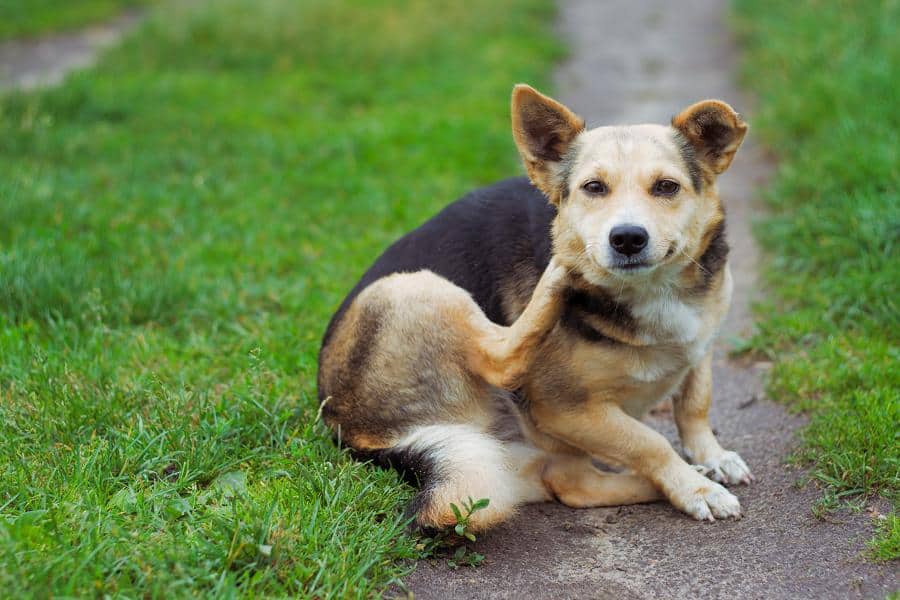
Spring in South Texas brings longer days, blooming landscapes, and a noticeable uptick in itchy, uncomfortable dogs. At Borgfeld Animal Hospital in San Antonio, we see a predictable pattern each year as warmer temperatures, rising humidity, and increased allergens start to affect our canine patients. While spring may feel like a breath of fresh air to us, it can be a challenging season for your dog’s skin.
Understanding what’s common this time of year can help you spot issues early and get your dog the relief they need.
Why Spring Triggers Skin Problems in South Texas Dogs
South Texas has a unique climate, which plays a major role in seasonal skin issues. As temperatures rise and humidity increases, dogs become more vulnerable to skin irritation, infections, and allergic flare-ups. These humid climate dog skin issues are especially common in the spring, when moisture and environmental allergens are both on the rise.
Skin issues often develop quickly, and may worsen without proper treatment. Dogs with sensitive skin, allergies, or underlying conditions tend to be most affected.
Spring Allergies in San Antonio Pets: What to Watch For
Spring allergies often show up through the skin rather than the sneezing and watery eyes we associate with human allergies. Environmental allergens like pollen, mold spores, and grasses can trigger significant discomfort.
Common signs include:
- Persistent scratching, licking, or chewing
- Red, inflamed, or flaky skin
- Hair thinning or patchy hair loss
- Recurrent ear infections
- Changes in skin odor or texture
If your dog seems itchier than usual as spring progresses, it’s worth paying attention. Early intervention can help prevent secondary infections and long-term skin damage.
Yeast vs. Bacterial Dermatitis in Dogs
One of the most frequent questions we address during spring visits involves yeast versus bacterial dermatitis in dogs. While both can look similar at first, they require different treatment approaches.
Here are a few general differences we often see:
- Yeast dermatitis tends to cause greasy skin, thickening, dark discoloration, and a musty odor
- Bacterial dermatitis often presents as red bumps, scabs, pustules, or oozing sores
Because symptoms can overlap, diagnosing the correct cause is essential. Treating the wrong condition or delaying care can make symptoms worse and prolong discomfort.
Hot Spots: A Common Springtime Concern
Few skin problems appear as suddenly as hot spots. These moist, painful areas can develop rapidly when a dog scratches or licks irritated skin. Dog hot spot treatment in Texas often becomes necessary during spring, when allergies and humidity combine to create the perfect storm for skin breakdown.
Hot spots typically require prompt veterinary care to relieve pain, stop infection, and prevent spreading. Addressing the underlying cause, such as allergies or parasites, is key to preventing recurrence.
How Seasonal Pet Dermatology Helps Dogs Feel Better Faster
Seasonal pet dermatology in San Antonio focuses on identifying patterns linked to weather and environmental factors. Rather than treating symptoms alone, veterinary care during spring often includes diagnostic testing, allergy management, and tailored treatment plans to support long-term skin health.
Treatment options may include topical therapies, oral medications, injectable allergy treatments, diet trials, or other targeted solutions tailored to your dog’s specific needs.
When to Schedule a Visit
If your dog’s itching lasts more than a few days, worsens, or leads to sores or hair loss, it’s time to check in with your veterinarian. Spring skin issues rarely resolve on their own and often progress without treatment.
Our team is here to help your dog feel more comfortable through every season. To schedule an appointment, call our Borgfeld Drive location at (830) 313-5290 or our Canyon Golf Road location at (210) 728-3477. We look forward to helping your dog get back to enjoying spring, itch-free.