
Why Your Dog’s Teeth Could Be Hurting More Than You Think
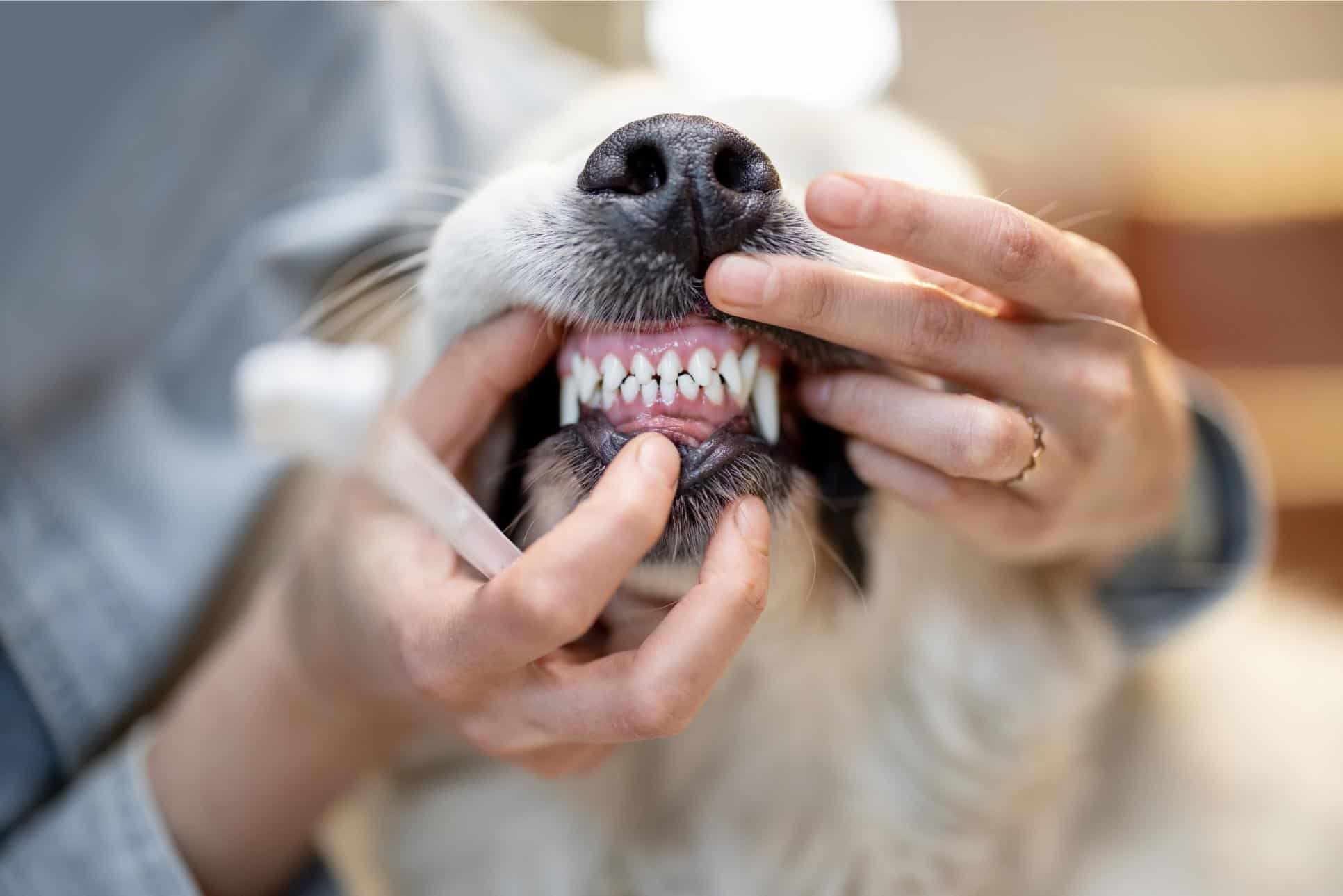
February may be Pet Dental Month, but at Borgfeld Animal Hospital in San Antonio, we treat your pet’s smile as a year-round priority.
Dogs are experts at hiding pain, especially when it comes to their teeth, which means discomfort can go unnoticed for far too long. If your dog seems perfectly fine on the outside, dental issues could still be brewing beneath the surface. Let’s take a closer look at why your dog’s teeth may be hurting more than you think and what you can do to keep them healthy.
Dogs Are Masters at Masking Discomfort
Animals rely on instinct, and showing weakness isn’t part of the plan. That’s why even serious dental disease may show up as only subtle behavioral changes. Most problems begin with tartar, plaque, and bacteria, which can progress into painful gum inflammation and infection.
During an oral exam, your vet in San Antonio checks for the earliest signs of trouble. Spotting issues early helps prevent everything from loose teeth to systemic infections that can affect your dog’s heart, liver, and kidneys.
Warning Signs You Might Be Missing
Some symptoms are obvious—others, not so much. Many pet parents don’t realize dental pain is behind certain everyday behaviors. Keep a close eye out for:
- Bad breath in pets (often the first major sign)
- Difficulty chewing or dropping food
- Pawing at the mouth
- Tooth discoloration
- Bleeding or swollen gums
- Excessive drooling
- Loose or broken teeth
If you’re noticing anything on this list, it’s time for a dental checkup. These symptoms don’t just suggest discomfort. They indicate dental disease that is already in progress. A dental cleaning for dogs not only removes plaque and tartar but also allows the veterinarian to examine below the gumline, where issues tend to hide.
Why Pet Dental Month Matters
Pet Dental Month boosts awareness of oral health, but the underlying goal is year-round protection. A professional cleaning is more than a cosmetic upgrade. It allows the veterinarian to:
- Perform a full oral exam
- Take digital dental X-rays for a better look beneath the gums
- Check for abscesses, bone loss, or cracked teeth
- Safely remove tartar and bacteria
- Identify problems early, long before your dog shows obvious symptoms
Regular dental care also helps you avoid emergency visits and keeps your dog feeling energetic and comfortable. A healthy mouth equals a healthier pet.
Home Care Makes a Big Difference
Professional cleanings are essential, but what you do at home matters, too. A simple routine can help prevent your dog’s discomfort and extend the time between dental cleanings. Consider incorporating:
- Daily or regular tooth brushing with pet-safe toothpaste
- Dental chews that help reduce plaque buildup
- Dental diets that support oral health
- Vet-recommended dental products tailored to your dog’s needs
A consistent home routine helps prevent the bacteria and tartar that trigger dental disease. Think of it like your own brushing and flossing: skip too many days, and trouble starts to build.
A Little Extra Care Goes a Long Way
Your dog depends on you to keep their mouth healthy. Even small changes in appetite, breath, or chewing habits can signal discomfort that needs attention. The earlier dental issues are found, the easier they are to treat, and the less pain your dog has to endure.
Keep Your Dog’s Smile Healthy: Schedule a Visit
Your dog’s dental health deserves just as much attention as diet or exercise. If you’ve noticed signs of dental discomfort, or if it’s been a while since their last dental cleaning, this is the perfect time to schedule a visit. Call our team at (830) 313-5290 to book an appointment, and let us help protect your pet’s smile and overall health.