
Why More Texas Pets Experience Environmental Allergies in Early Fall
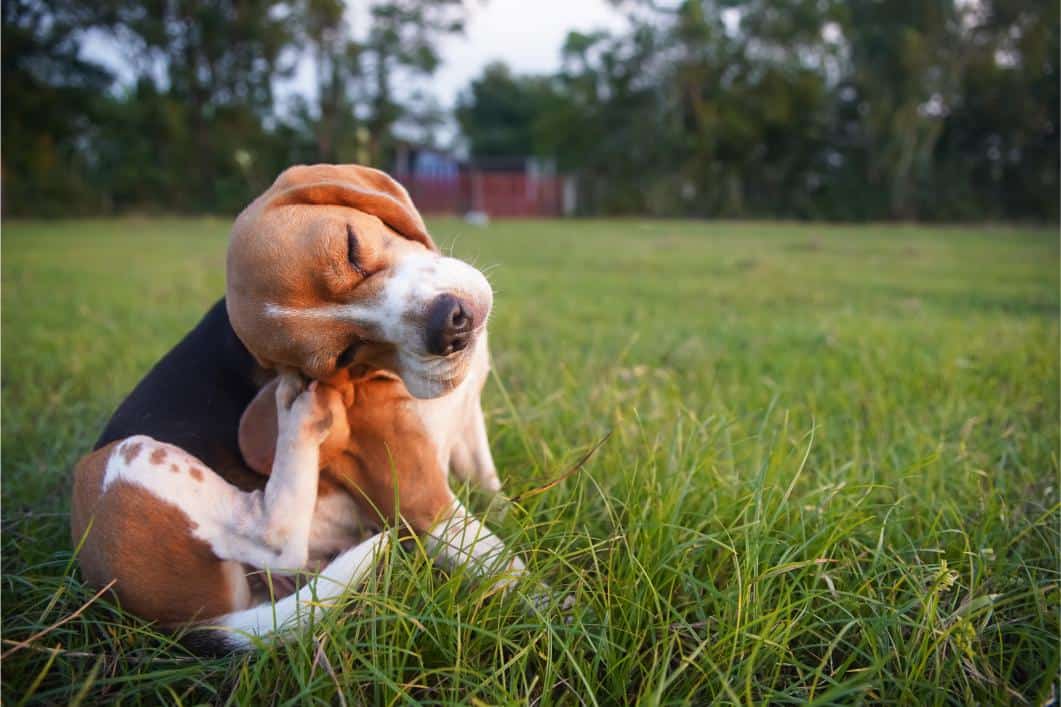
Is your dog scratching herself more than usual? Do you see small, raw, red areas on her tail or paws—the dreaded hot spots? If the answer to either of these is yes, your dog might be suffering from seasonal allergies pets get in the early fall here in San Antonio.
The good news is that there are plenty of treatment options for allergy symptoms in dogs, from topical pet dermatology solutions to oral medications. The team at Borgfeld Animal Hospital shares why allergies pop up in the fall, what symptoms to watch out for, and what you can do to help your pet feel less itchy.
Why Do Pets Get Allergies in the Fall?
While many of us associate the new plant life in the spring with seasonal allergies in pets, the reality is that many plants (especially weeds!) mature in the fall, releasing pollen into the air in September and October. Here in South Texas, these plants include:
- Ragweed
- Pigweed
- Sagebursh (mugwort)
- Grasses like Bermuda grass
The pollen from these plants floats around in the air, gets tangled up in the ornamentals on your front lawn, and gets trampled into the grass by pets and wildlife alike. If your pet is allergic to any of these plants—or others not on our list—allergic reactions are more likely than not.
Allergy Symptoms in Dogs and Cats
The main symptom that your pet is dealing with an allergic reaction to autumn pollen is itchiness. Look for an uptick in the amount of time your dog or cat spends scratching, licking, or nibbling at their skin.
Red, raw hot spots are a telltale sign, too, and while it’s rarer, cats and dogs might even sneeze or cough as their respiratory system tries to flush out the irritants. Some pets may experience swelling of the eyes, nose, or mouth areas, depending on how their body reacts to the irritants.
How to Treat Texas Pet Allergies
If your dog or cat is experiencing any symptoms related to seasonal allergies, a vet visit is in order. Your veterinary team can run a variety of tests and diagnostics to identify what is causing your dog or cat’s distress.
Then, they can walk you through the most common treatments for allergies, from medicated shampoos and ointments to soothe hot spots to oral medications that ease the immune response from within.
Your veterinarian can also work with you to implement an allergy plan that can help keep your pet symptom-free in the future. Some pets do well when they start taking allergy medication weeks before fall allergies hit Texas, for example.
For expert allergy diagnosis and treatment in San Antonio, our veterinary team at Borgfeld Animal Hospital is here to help. We offer full allergy and dermatology care, with treatments to suit pets of various sizes, breeds, and health backgrounds. Call us at (830) 313-5290 to schedule a pet allergy appointment today.