
Why Some Dogs Drink Excessively Without an Obvious Cause
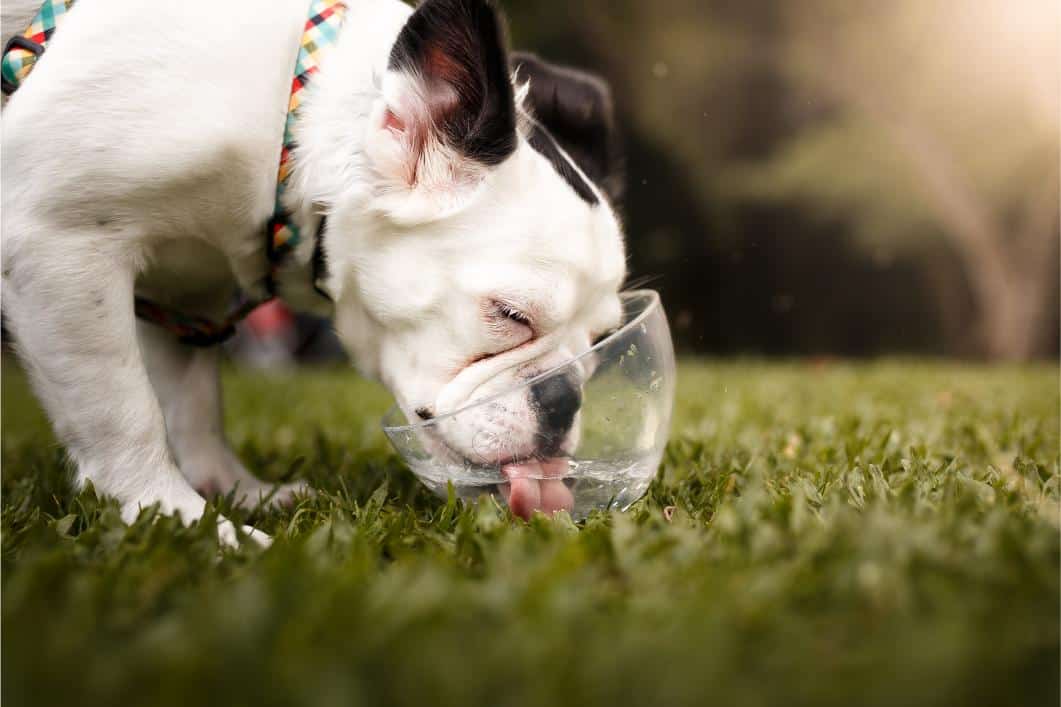
You fill the water bowl in the morning, turn around for five minutes, and somehow it is already empty again. Sound familiar?
Some dogs are naturally enthusiastic water drinkers; however, excessive thirst can sometimes be a sign that something more serious is happening. If you’ve noticed your dog drinking nonstop, asking to go outside more often, or hovering around every water source in the house, it may be time to pay closer attention.
Understanding the possible reasons behind your dog drinking too much water can help pet owners catch health concerns early and keep their furry family members feeling their best.
When Is Drinking Too Much Water Bad?
It’s completely normal for dogs to drink more water during hot weather, after exercise, or even after a salty snack. However, if your dog suddenly seems obsessed with drinking water for no obvious reason, it could signal an underlying medical issue.
Excessive thirst and water consumption in dogs is known as polydipsia and is fairly common. If your dog is drinking more than 100 mL of water per kilogram of body weight per day, it may be time to contact your preferred veterinarian.
Some common signs of polydipsia include:
- Excessive thirst
- Increased urination
- Accidents in the house
- Waking up at night to drink water
- Restlessness or pacing near water sources
- Changes in appetite or energy levels
Polydipsia is simply the medical term for excessive thirst. While it sounds like a fancy vocabulary word your dog definitely cannot spell, it is an important symptom veterinarians take seriously.
Common Medical Causes of Excessive Thirst
There are several possible causes of excessive thirst in dogs. Some are mild, while others may require prompt veterinary care.
Common causes include:
- Kidney disease: Dogs may drink more water when the kidneys are not filtering waste properly. Signs can include weight loss, vomiting, bad breath, decreased appetite, and increased urination.
- Endocrine diseases: Conditions like diabetes and Cushing’s disease can affect hormone balance, and could lead to excessive thirst and urination.
- Infections or liver disease: Certain illnesses can increase water consumption as the body works harder to stay balanced.
- Medication side effects or stress: Some medications and even anxiety can cause dogs to drink more water than usual.
If your dog’s drinking habits suddenly change or seem excessive, it is always best to schedule a veterinary evaluation to rule out any underlying health concerns.
Why Early Detection Matters
Dogs are very good at hiding discomfort. Sometimes, excessive drinking is one of the first visible clues that something deeper is going on. That is why sudden or persistent changes in thirst should never be ignored.
The earlier a medical condition is identified, the more treatment options are typically available. Bloodwork, urine testing, and physical exams can often help uncover the root cause before symptoms become more severe.
It’s also important not to limit your dog’s water intake without veterinary guidance. Even if the drinking seems excessive, restricting water can lead to dehydration.
What Pet Owners Should Watch For
Keeping an eye on unusual behaviors can be incredibly helpful.
Look out for the following:
- How quickly they empty their water bowl
- How frequently do they urinate
- Any shifts in appetite or weight
- Changes in mood, sleep, or activity
- Vomiting, diarrhea, or bad breath
Even the small details can help your veterinarian piece together the bigger picture.
Keep Your Dog Healthy With Early Veterinary Care
If your dog has started drinking excessive amounts of water or showing other unusual symptoms, it is always worth scheduling a veterinary visit. Changes in thirst may seem small at first, but they can sometimes point to conditions that need medical attention.
At Borgfeld Animal Hospital, our team is here to help uncover the cause of unusual symptoms and support your dog’s long-term health and wellness. Whether it turns out to be something simple or a condition requiring ongoing care, early answers can make all the difference for your furry best friend.