
Is It Allergies, Anxiety, or Pain? Why Paw Licking Is Harder to Diagnose Than It Looks
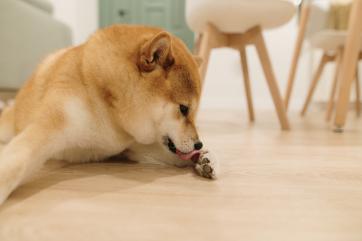
If you’ve noticed your dog constantly licking their paws, it’s easy to assume it’s just a harmless habit. But persistent dog paw licking can be a sign that something isn’t right. At Borgfeld Animal Hospital in San Antonio, our team knows that this common behavior can have many different causes, which makes it more challenging to diagnose than it appears. The key is to identify the underlying cause so your pet can find lasting relief rather than temporary comfort.
Why Dogs Lick Their Paws
An occasional lick after a walk or during grooming is perfectly normal. But frequent or excessive licking often signals an underlying medical or behavioral issue that deserves attention.
Some of the most common causes include:
- Pet allergies, including environmental allergens, food sensitivities, or flea allergies
- Cuts, splinters, insect stings, or burns on the paw pads
- Bacterial or yeast infections that develop after repeated licking
- Arthritis, joint pain, or other injuries
- Foreign objects lodged between the toes
- Stress or anxiety in dogs, which may lead to repetitive self-soothing behaviors
Because many of these conditions can look similar from the outside, it’s important not to assume you know the cause based on the behavior alone.
A thorough veterinary exam can help narrow down the possibilities and determine the most appropriate treatment.
Allergies Are a Common Culprit
One of the most frequent reasons for excessive paw licking is pet allergies. Dogs with allergies often develop itchy feet after walking through grass, pollen, or other environmental irritants. Food allergies can also contribute to ongoing skin inflammation.
In addition to licking their paws, dogs with allergies may also experience:
- Red, inflamed skin
- Ear infections
- Frequent scratching
- Hair loss
- Chewing or licking other areas of the body
Because allergies can have multiple triggers, diagnosing them often requires a combination of physical exams, medical history, and, in some cases, dietary trials or additional testing.
Don’t Overlook Pain or Behavioral Causes
Not every dog that licks their paws has an itchy skin condition. Sometimes the behavior is one of the more subtle pet pain symptoms owners notice at home.
Dogs with arthritis, muscle strains, joint injuries, or even nail injuries may repeatedly lick the painful area to soothe the discomfort. This is especially common in senior pets, but it can affect dogs of any age.
Behavioral causes are also worth considering. Anxiety in dogs may lead to repetitive licking, especially during stressful situations, changes in routine, or long periods of boredom. While anxiety-related licking is real, it’s important to rule out medical problems before assuming the behavior is purely emotional.
Why an Accurate Diagnosis Matters
Treating the wrong cause can allow the real problem to worsen while your dog continues to feel uncomfortable.
At Borgfield Animal Hospital, we’ll perform a comprehensive examination to evaluate your dog’s skin, paws, joints, and overall health. Depending on what we find, we may recommend additional diagnostics, allergy management, pain treatment, or behavioral support to address the root cause instead of simply masking the symptoms.
The sooner the underlying issue is identified, the sooner your dog can get back to feeling comfortable.
Schedule an Appointment With Your San Antonio Veterinarian
If your dog’s paw licking has become frequent, intense, or is causing redness, swelling, or hair loss, don’t wait for it to resolve on its own. The experienced team at Borgfeld Animal Hospital can help determine what’s causing the behavior and recommend the right treatment plan for your pet. Call (830) 313-5290 today to book an appointment with Borgfeld Animal Hospital and help your dog find lasting relief.