
Reverse Sneezing in Dogs: Harmless Noise or Cause for Concern?
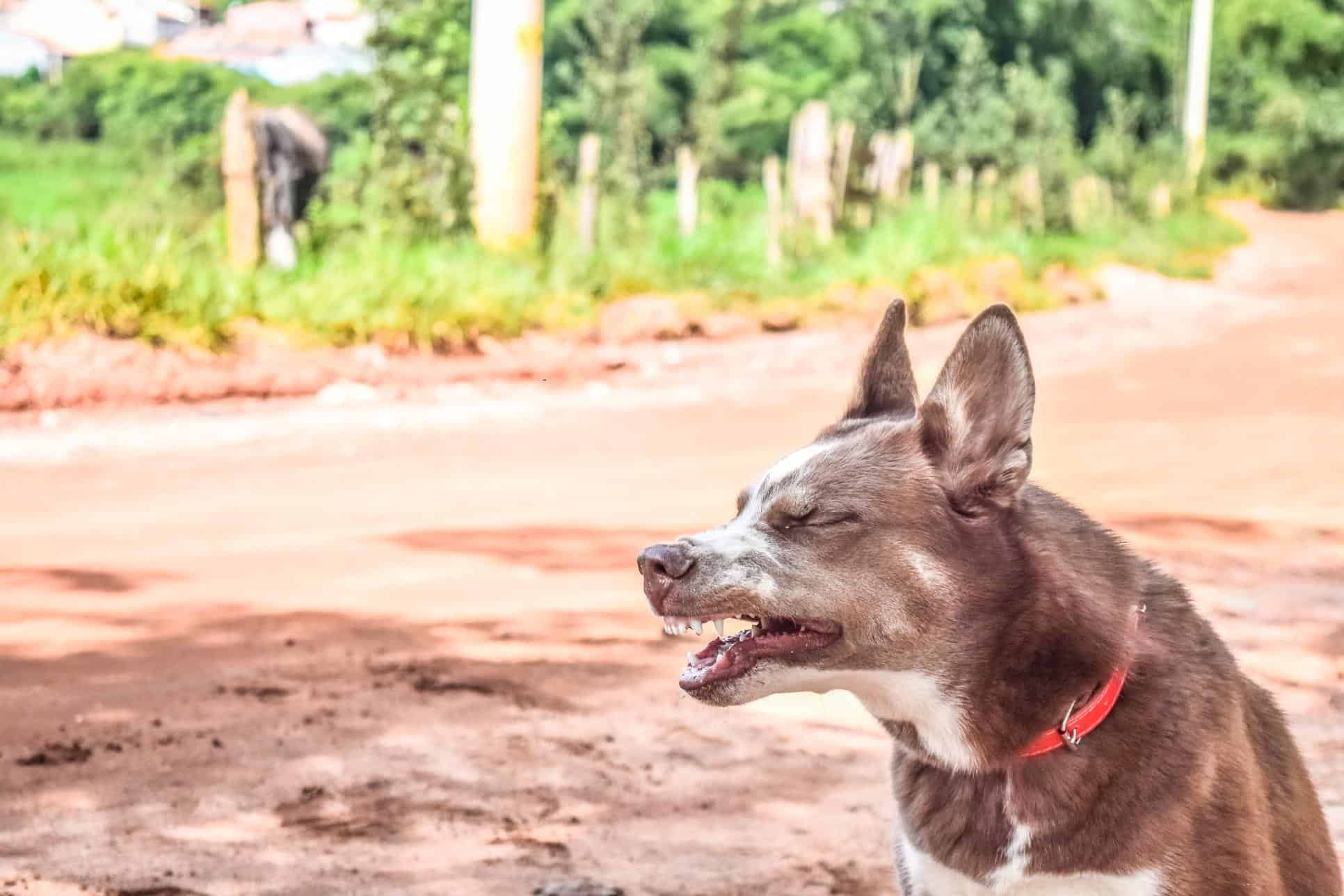
If you’ve ever heard your dog suddenly start snorting, honking, or making a sound that seems somewhere between a sneeze and a gasp, you know how unsettling it can be. Fortunately, reverse sneezing in dogs is often harmless, even though it can sound pretty dramatic.
At Borgfeld Animal Hospital in San Antonio, Texas, we know that unfamiliar sounds can be worrying when they’re coming from your pet. Understanding what reverse sneezing looks like and when it may signal something more can help you know what to do next.
What Does Reverse Sneezing Sound Like?
A regular sneeze rapidly pushes air out through the nose. During a reverse sneeze, a dog quickly draws air inward through the nose, causing distinctive breathing noises such as snorting, honking, gagging, or even choking.
During an episode, your dog may also:
- Stand still with their legs braced
- Extend their head and neck
- Breathe rapidly through the nose
- Make repeated snorting or gasping sounds
It can be a startling sight, but most episodes last only a few seconds to a minute. Once they stop, dogs typically go right back to whatever they were doing before.
Why Do Dogs Reverse Sneeze?
Reverse sneezing is generally triggered by irritation or inflammation around the nose, sinuses, or back of the throat. Plenty of ordinary things can contribute to canine nasal irritation, including excitement, pulling against a collar, eating or drinking quickly, strong odors, dust, pollen, or other environmental irritants.
Some dogs reverse sneeze only once in a while, while others are more prone to it. Smaller dogs and brachycephalic, or short-nosed, breeds may experience episodes more frequently.
Occasional reverse sneezing usually isn’t cause for alarm. However, frequent episodes can sometimes be associated with allergies, nasal mites, infections, foreign material in the nose, or other underlying problems. If something about your dog’s episodes seems to be changing, it’s worth mentioning to your veterinarian.
When Should You Worry About Dog Respiratory Symptoms?
One of the most reassuring signs is that your dog quickly returns to normal after an episode. They should be able to breathe comfortably and behave like themselves between bouts of reverse sneezing.
Consider contacting your veterinarian if the episodes are new, becoming more frequent, lasting longer, or making your dog uncomfortable. Other dog respiratory symptoms that deserve attention include coughing, nasal discharge, lethargy, reduced appetite, or noisy breathing that continues after an episode ends.
If your dog appears to be struggling to breathe, has blue or pale gums, collapses, or shows other signs of respiratory distress, seek veterinary care promptly.
Here’s a helpful tip: If you can, take a quick video when an episode happens. Your dog may be perfectly fine by the time you reach the veterinary office, and seeing exactly what happened can help your veterinary team distinguish reverse sneezing from coughing, gagging, or another breathing problem.
What Can You Do When Your Dog Reverse Sneezes?
Try to stay calm while the episode passes. Keeping things quiet and reassuring your dog may help, especially if excitement seems to worsen the episode. You can gently stroke your dog’s throat or encourage them to swallow, but don’t put anything into their mouth or nose.
If reverse sneezing keeps happening, however, don’t assume it’s something your dog simply has to live with. A veterinary exam can help uncover possible sources of irritation and determine whether any additional testing or treatment is needed.
Ask Your San Antonio Veterinarian About Those Strange Sounds
You know your dog’s everyday habits better than anyone. If their breathing suddenly sounds different or reverse sneezing is happening more often, checking in with your veterinarian can give you some answers. A routine wellness visit is also a great time to bring up occasional sneezing, snorting, coughing, or other changes you’ve noticed.
If you have questions about your dog’s breathing or it’s time for their routine care, call Borgfeld Animal Hospital at (210) 728-3477 to book an appointment with our team.